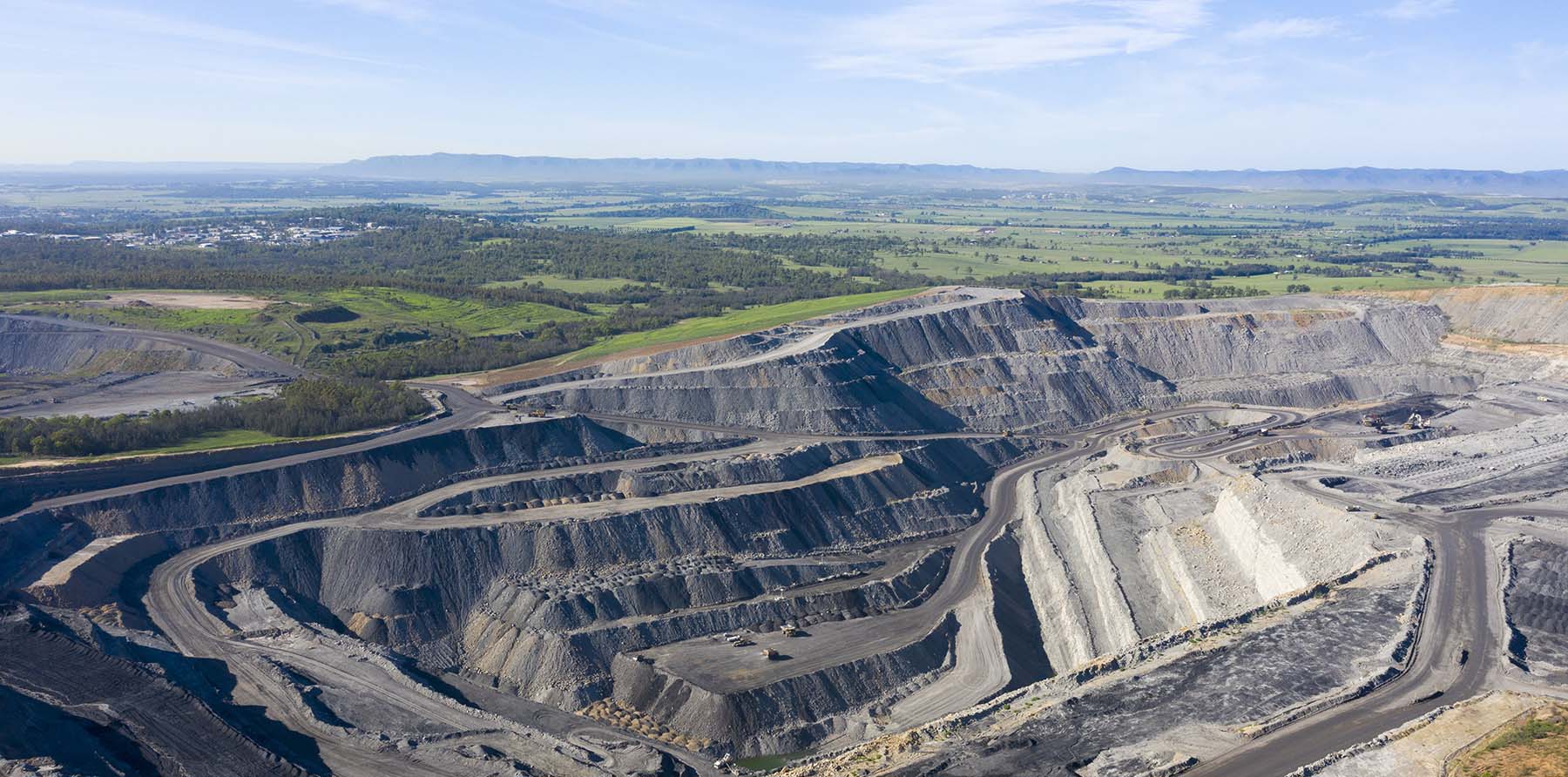
Earthquakes in the Hunter Valley NSW have highlighted the need for ongoing assessment of mining infrastructure, even in regions of relatively low seismic activity.
Aspec Engineering was engaged to carry out post-event structural inspections following recent seismic activity in the Upper Hunter region, providing practical insight into how earthquake events can impact both structural and non-structural elements of mining facilities.
This article outlines key observations from these inspections and highlights the importance of seismic considerations, inspection regimes and compliance with AS 1170.4 in maintaining safe and resilient operations.
Jump to: Introduction • Background • Post-Earthquake Inspections • Seismic Activity in the Hunter Valley NSW • Mining Infrastructure Resilience in Seismic Zones
Introduction
Mining infrastructure must remain safe and operational under a range of environmental loading conditions. While Australia is generally considered a region of relatively low seismic activity, earthquake events can still affect infrastructure and operational safety, particularly where facilities were not originally designed for seismic loading.
Even moderate seismic events may impact non-structural elements, equipment, and connections, potentially creating safety hazards or operational disruptions. For this reason, mining operations benefit from incorporating seismic considerations into design, inspection, and maintenance practices.
Background
On 07/09/2024, a magnitude 4.5 earthquake struck a mine in Muswellbrook, located in New South Wales’s Upper Hunter region. The earthquake, with its epicentre directly beneath the mine at a depth of 3 km, temporarily halted operations while assessments were conducted. (Tibben, 2024).
This event was part of a series of seismic activities affecting the region, including a magnitude 4.7 earthquake on 23/08/2024, followed by a magnitude 4.4 on 24/08/2024 (Geoscience Australia, 2024).
Aspec Engineering’s Post-Earthquake Inspections
Following the seismic event on 07/09/2024, Aspec Engineering was engaged to assess potential damage to the site’s infrastructure.
Two separate inspections were conducted. The first was a high-level structural inspection on the day of the earthquake of structures critical to the operation of the mine including the Train Loadout Bin, Export Stacker, & Reclaim Tunnel. No damage attributable to the earthquake was found.
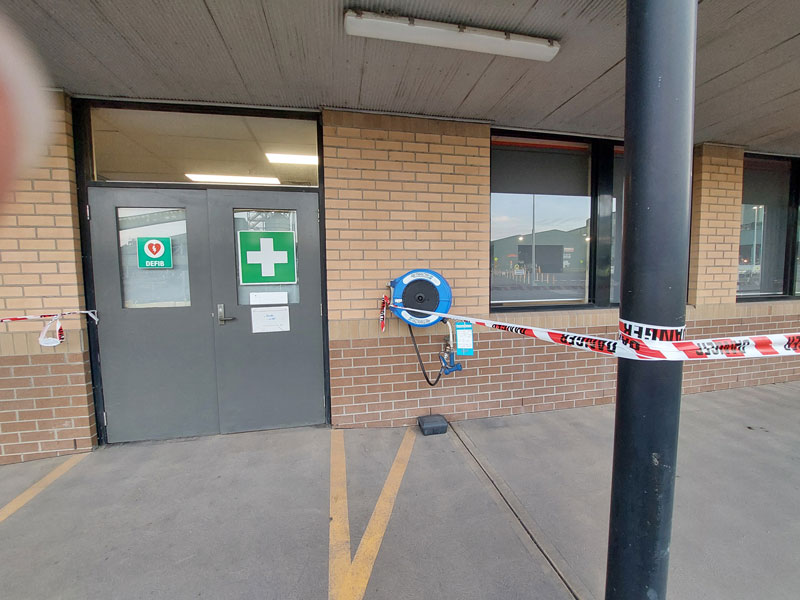
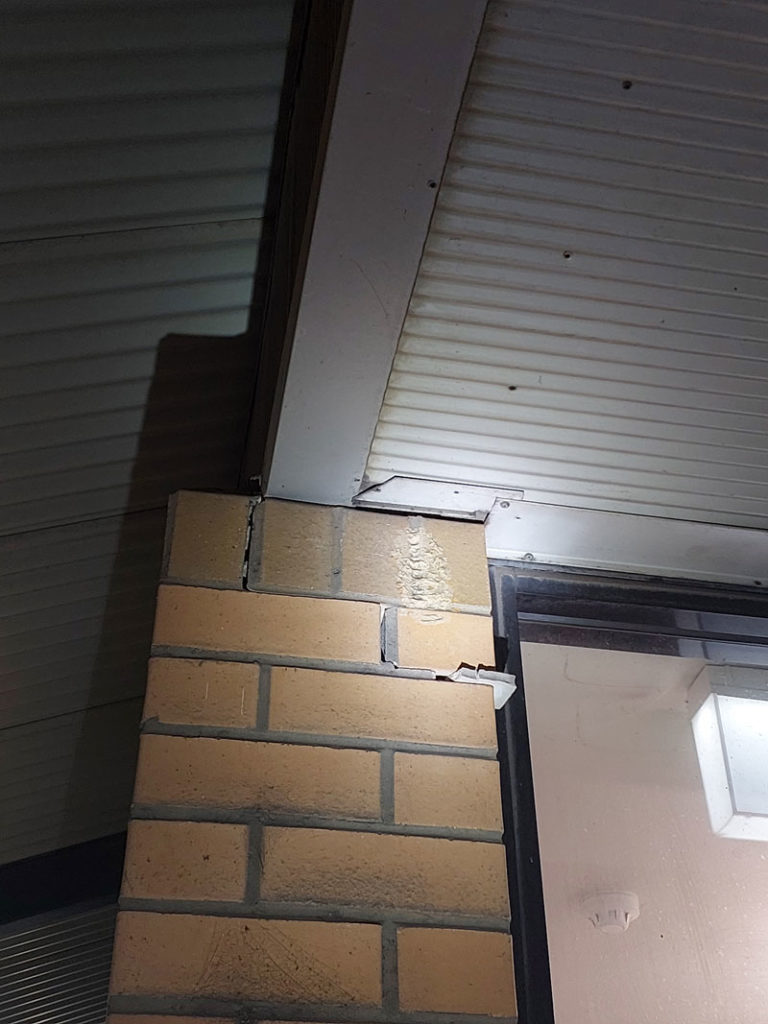
The second inspection on 09/09/2024 focussed solely on the brick veneer administration building which had sustained widespread visible damage. The inspection scope was to assess the extent of the damage and provide safety recommendations.
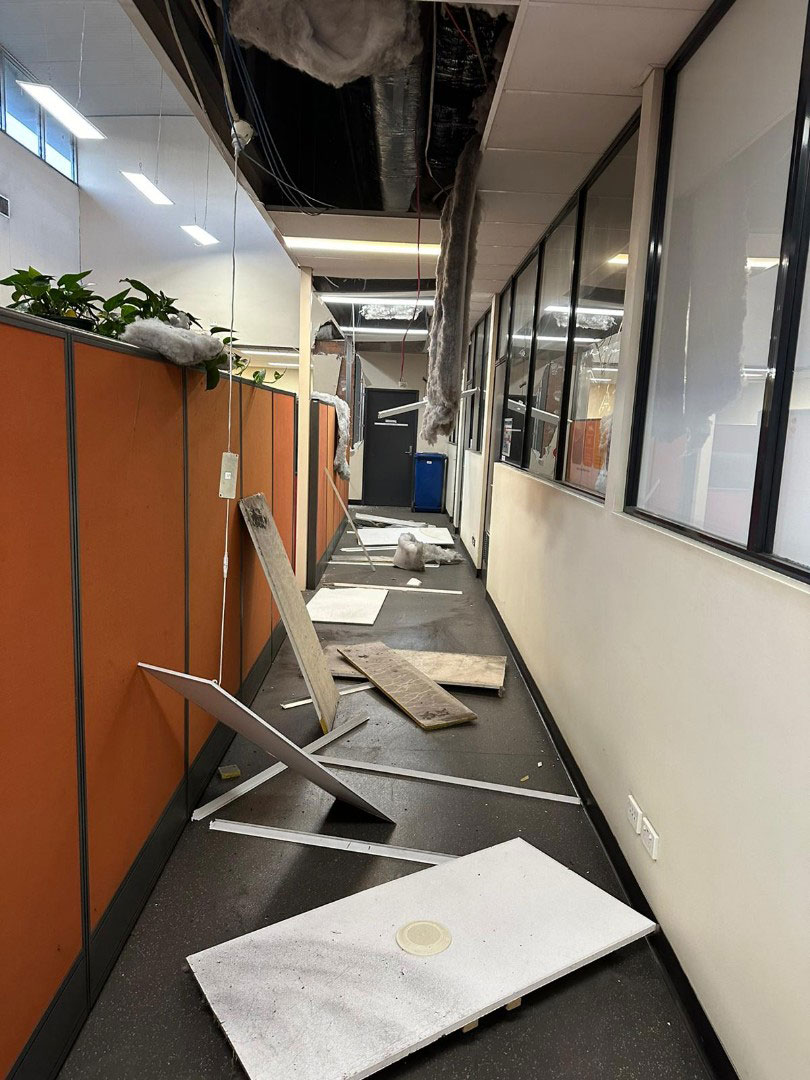
Fortunately, the building was found not to be at risk of total collapse, but ASPEC identified significant damage to secondary structures which greatly impacted the serviceability of the structure, particularly to brickwork, internal walls, firewalls, and ceiling elements, which posed a serious falling hazard.
ASPEC recommended restricting access to the building for safety reasons as the potential for further earthquakes could not be ruled out.

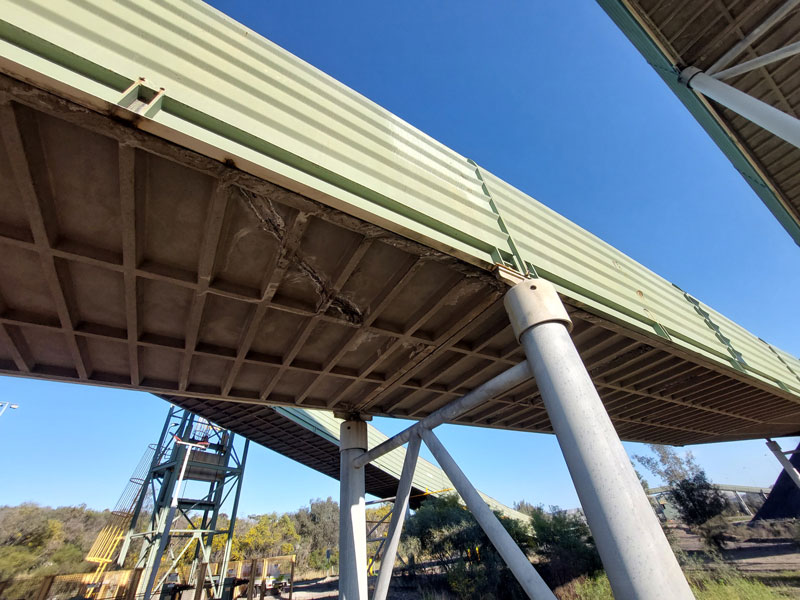
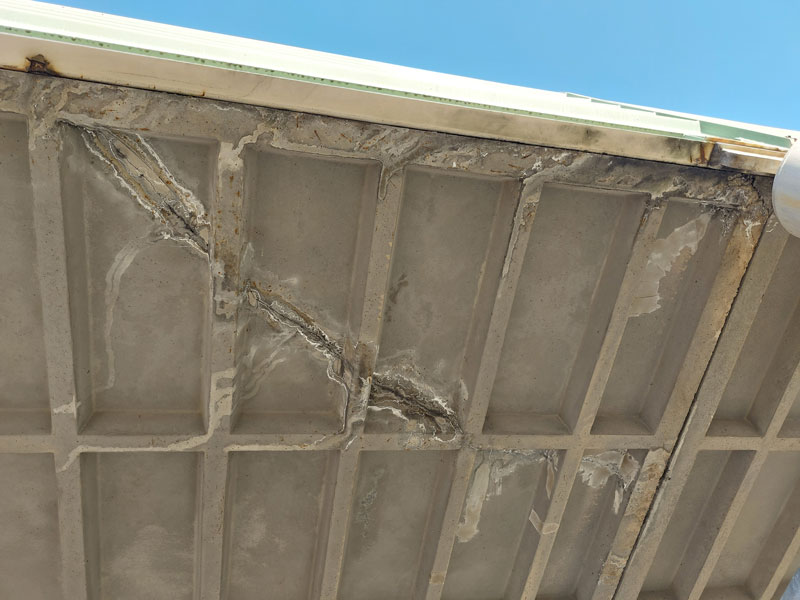
Additionally, following the earlier earthquakes on 23/08/2024 and 24/08/2024, the mine operator engaged Aspec Engineering to inspect the Redispan conveyor gantry slabs for potential earthquake-related damage. These conveyor structures had pre-existing, well-documented concrete cracking (figure 3). After the August events, assessments confirmed that the damage had not worsened, and the structural integrity remained intact. ASPEC has since worked with the mine operator to advise on a planned repair strategy.
On both occasions, immediate and long-term solutions were provided, allowing the mine to resume safe operations as soon as possible.
Ongoing Seismic Activity in the Upper Hunter Region
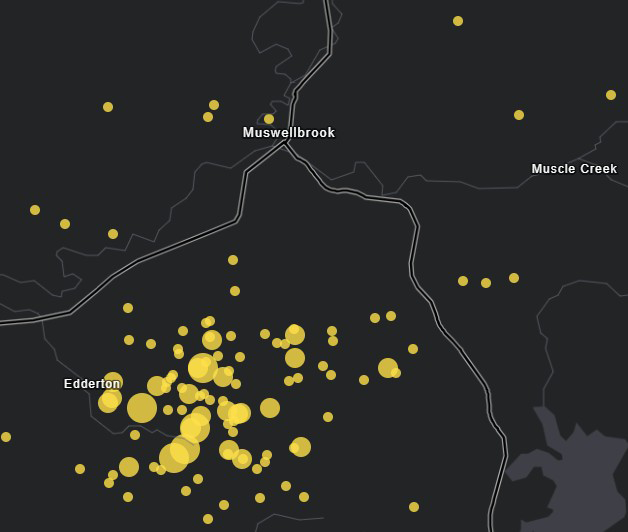
Seismic activity continues in Muswellbrook and the Upper Hunter region, with recent events including a magnitude 4.1 earthquake on 12/11/2024, and a magnitude 3.4 on 01/03/2025 (Geoscience Australia, 2024).
According to Senior Seismologist Dr Hadi Ghasemi, over the past 20 years, more than 150 earthquakes have been recorded in the region. Dr. Ghasemi emphasized that while earthquakes of this size are uncommon in Australia, no area is completely immune, and Australia experiences an earthquake of this magnitude approximately once every year or two (Geoscience Australia, 2024).
The Importance of Mining Infrastructure Resilience in Seismic Zones
Earthquake events, such as those recently observed in the Hunter Valley, underscore the critical need for mining operations to implement proactive risk mitigation measures. Seismic resilience in mining structures depends on both robust initial design and ongoing maintenance.
This begins with adherence to AS1170.4:2024, which outlines the minimum design requirements for resisting earthquake-induced forces.
Section 5.2 of the standard sets out six key design principles for relevant structures, with additional provisions based on the appropriate earthquake design category (Sections 5.3–5.5) and applicable material standards:
- Defined Load Paths: Structures must include a seismic force-resisting system with clearly defined paths to transfer earthquake forces and gravity loads to the foundation.
- Structural Tying: Horizontal and vertical ties are required to ensure force transfer to the foundation. Foundations on low-bearing soils must be laterally restrained, and isolated footings checked for seismic stability.
- Component Compatibility: Stiff components must either form part of the seismic system or be isolated to prevent conflict during movement. All components must function while accommodating deformation.
- Anchored Walls: Walls must be anchored to roofs and floors and designed to resist both in-plane and out-of-plane forces.
- Diaphragm Integrity: Diaphragms must tie the structure and lateral load-resisting elements together, with in-plane deflection limited to ensure connected components maintain integrity and load-bearing capacity.
- Ductility: Structures and foundations must be designed to achieve the intended ductility and perform accordingly under seismic loads.
In addition to meeting design standards, ongoing maintenance and structural health monitoring are essential. Effective strategies include:
- Conducting regular inspections for cracks, corrosion, wear, or other damage
- Monitoring foundation stability, especially on reactive or low-strength soils
- Performing structural assessments following seismic events
- Maintaining and servicing machinery according to manufacturer guidelines
- Securing equipment to prevent damage during environmental or seismic events
- Scheduling timely repairs or retrofitting of any damaged elements
- Keeping detailed records of all inspections and maintenance
- Training personnel to recognise and report structural or equipment issues
Earthquake-resistant infrastructure is not merely a precaution, but a necessity for ensuring worker safety, structural integrity, and long-term operational stability in seismically active regions.
To enhance seismic resilience, mine operators and asset owners must also maintain non-structural elements—such as ceilings, cladding, and fixtures—which can pose significant safety risks during seismic events. By combining robust design, routine monitoring, and full compliance with AS1170.4, mining facilities can effectively reduce long-term risk, safeguard personnel, and ensure operational resilience.
References
Geoscience Australia. (2024, September). Earthquakes@GA. Retrieved from Australian Government Geoscience Australia: https://earthquakes.ga.gov.au/event/ga2024rqpnyt
Geoscience Australia. (2024, August 24). Magnitude 4.7 earthquake in Upper Hunter, NSW. Retrieved from Australian Government Geoscience Australia: https://www.ga.gov.au/news/magnitude-4.7-earthquake-in-upper-hunter-nsw
Standards Australia. (2024). AS1170.4. Standards Association of Australia.
Tibben, K. (2024, November 12). No injuries at BHP’s Mt Arthur, epicentre of ‘earthquake swarm’. Retrieved from Mining Safetowork: https://safetowork.com.au/no-injuries-at-bhps-mt-arthur-epicentre-of-earthquake-swarm/
Seismic Assessment
Aspec Engineering provides engineering assessment and advice to support understanding of seismic effects on structures and bulk materials handling equipment.
To discuss seismic considerations for your operation, contact our team.